
The Day After
What comes next in Venezuela

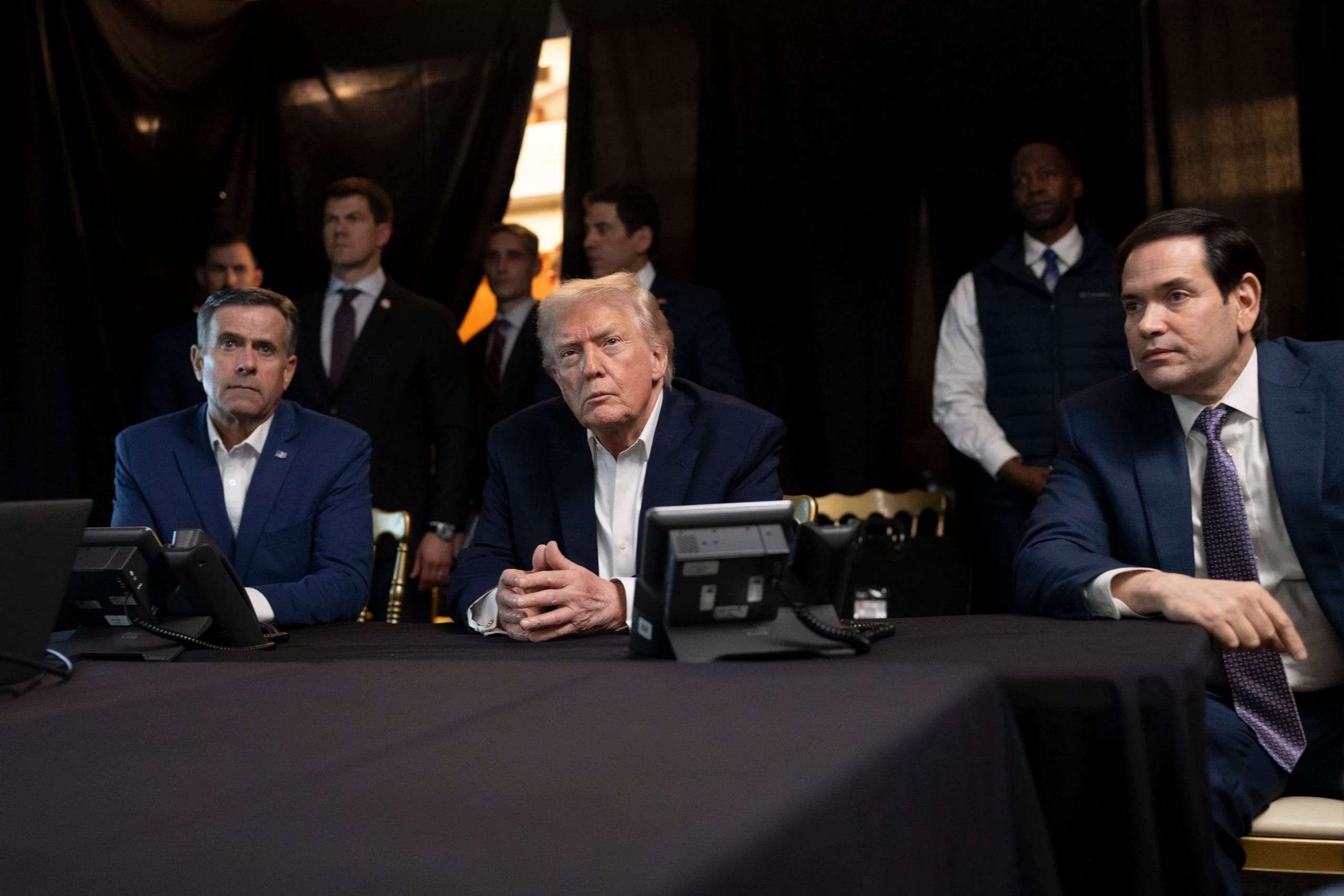
The US buildup in the Caribbean had suggested that action against Venezuela was inevitable, but the choice to kidnap Maduro from his own bed was a shockingly audacious one. The airstrikes this weekend were narrow, apparently only targeting air defenses to open an avenue for helicopters to bring special forces into the heart of Caracas. Sources in Venezuela suggest about 40 people died during the US attack, with few civilian casualties. The nature of this operation has provided legal cover, and allowed the administration to frame this as principally a law enforcement operation, not an act of war subject to congressional scrutiny.
This choice has domestic political benefits, but heavily limits Trump’s ability to shape events in Venezuela going forward. The US has removed a despot, but preserved the despotism. Trump’s commentary about the US “running” Venezuela going forward, and his de facto recognition of Maduro’s VP as acting president has further narrowed our options. He seems to have abandoned the pro-US opposition movement, centered around Nobel Peace Prize winner María Corina Machado and former presidential candidate Edmundo González. In a press conference yesterday, Trump said, “I think it would be very tough for her to be the leader. She doesn’t have the support within or the respect within the country. She’s a very nice woman, but she doesn’t have the respect.” Even though Rubio has repeatedly cited the last election in Venezuela as illegitimate, our desire to cooperate with Maduro’s VP has made the opposition forces irrelevant. In essence, the administration has locked itself into a path of regime coercion, not regime change. What comes next will be attempts by Washington to bully and intimidate the three most important people left in Venezuela, hoping to gain control of their oil, end the drug trade, and more broadly subordinate the country to US interests. The three key players are:
Acting President Delcy Rodríguez: De facto leader of Venezuela, Vice President until yesterday.
Defense Minister Vladimir Padrino López: Controls both the regular military, and the Bolivarian Militia of Venezuela, the armed wing of the Bolivarian revolution (think IRGC or SS, a separate political army).
Interior Minister Diosdado Cabello: Informal boss of the collectivos, a loose network of socialist paramilitaries and street gangs that provide the government brute muscle in return for patronage and a license to commit petty crimes.
Rodríguez will become the civilian face of the regime, but she lacks the authority to speak for the entirety of the government. True power will now rest in the defense and interior ministries, who are likely to oppose any waffling from the civilian leadership. It seems unlikely to me that either minister will be so quick to surrender to American demands, but I suppose the right mix of bribery and intimidation might just work. The administration clearly expects her to make concessions, with Trump saying this morning that, “If she [Rodríguez] doesn’t do what’s right, she is going to pay a very big price, probably bigger than Maduro.” With this in mind, there are three major paths Venezuela can now go on:
Rodríguez refuses to bend to US demands, or suffers a palace coup from Padrino López and Cabello to prevent a deal. The US decides not to launch a major attack, but to keep up pressure. This will lead to a prolonged period of confrontation between the US and Venezuela.
Rodríguez, Padrino López, and Cabello all embrace negotiations with the US to ensure political survival and move towards a deal. They are almost certain to drag out negotiations as long as possible, hoping that the 2028 election will bring a less aggressive president.
Caracas refuses to meet US demands, but the US decides to attack, hoping to trigger a popular revolution which will force the army to stand aside and back an opposition-led government.
One thing restraining further US military action may be the wargame simulation done in 2019 (during the first Trump administration) which suggested a major campaign against Venezuela would send the country spiraling into a civil war, which would render the oil inaccessible and humiliate the US on the world stage. Regardless of which option occurs, it seems unlikely to me that American companies will be leading a renaissance for Venezuelan oil production by 2028. As a final note, the US has an ideological imperative to bring Venezuela into line, something I talked about here, recently. Actions against Cuba and other anti-American regimes are reasonably likely in the coming year as well. That being said, it seems unlikely that this move alone will be enough to force Venezuela into compliance with US demands.
Got it! Sharing is caring! Will follow @Griffin Fill thanks from Dallas, TX! 🌹💛🐝